There’s something utterly comforting about a bowl filled to the brim with vibrant colors and beautiful textures. I remember the first time I had bibimbap while traveling through Korea. It was a chilly evening, and I stumbled into a small, bustling restaurant filled with the aroma of spices and sizzling vegetables. The moment I took my first bite—crunchy vegetables, warm rice, and that gorgeous gochujang sauce—it felt like a warm hug on a frosty night. Now, I love bringing that same warmth into my kitchen with this Korean-inspired vegan bibimbap bowl. It’s easy to prepare, satisfying, and packed with seasonal ingredients that always make me feel at home.
Why You’ll Love This Recipe
Let’s be real—who doesn’t want a dish that’s quick to whip up, colorful, and packed with flavor? This vegan bibimbap bowl is a total crowd-pleaser, whether you’re serving family on a cozy night in or friends at your next gathering. Plus, it’s highly customizable! You can toss in any of your favorite veggies, making it a perfect way to use up what you have in the fridge. The best part? It’s all about bringing those rich, comforting flavors of Korea right to your table. Trust me on this one; you’ll want this recipe on rotation.
What It Tastes Like
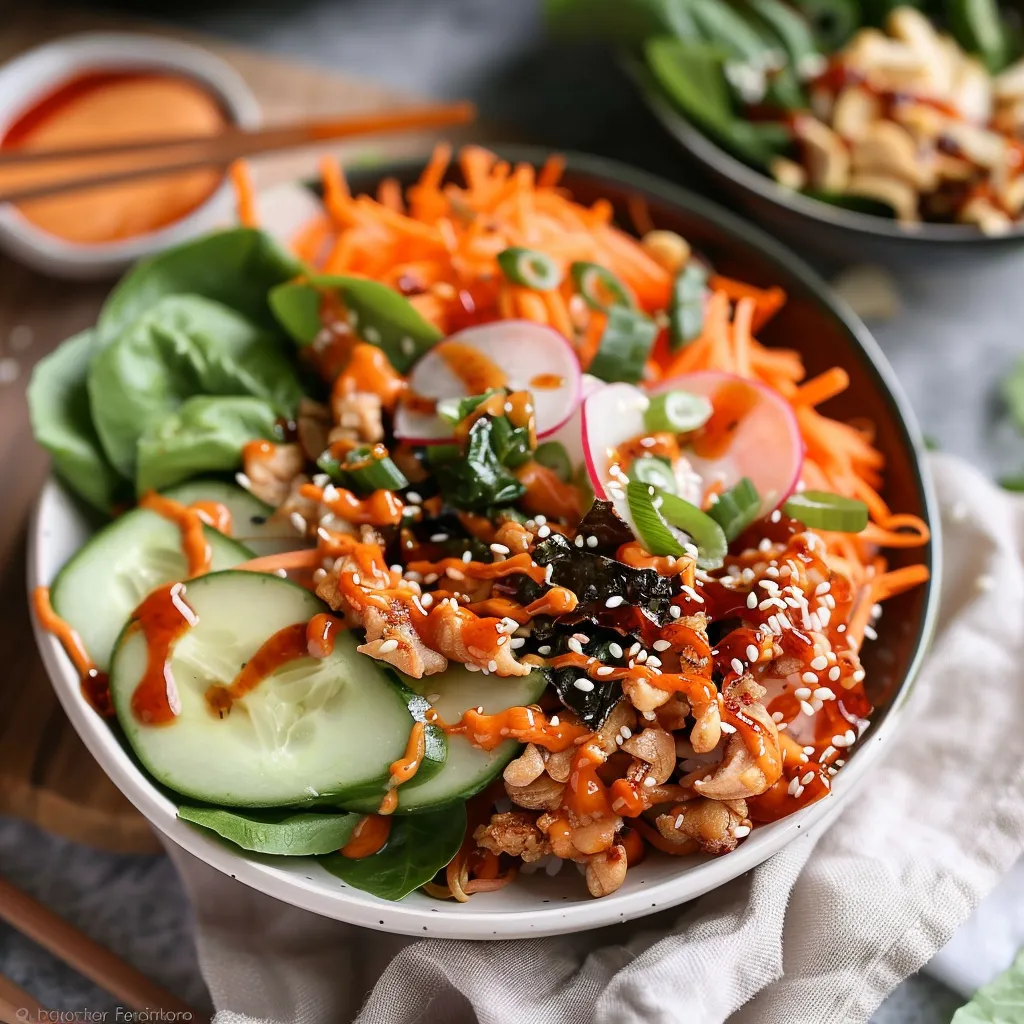
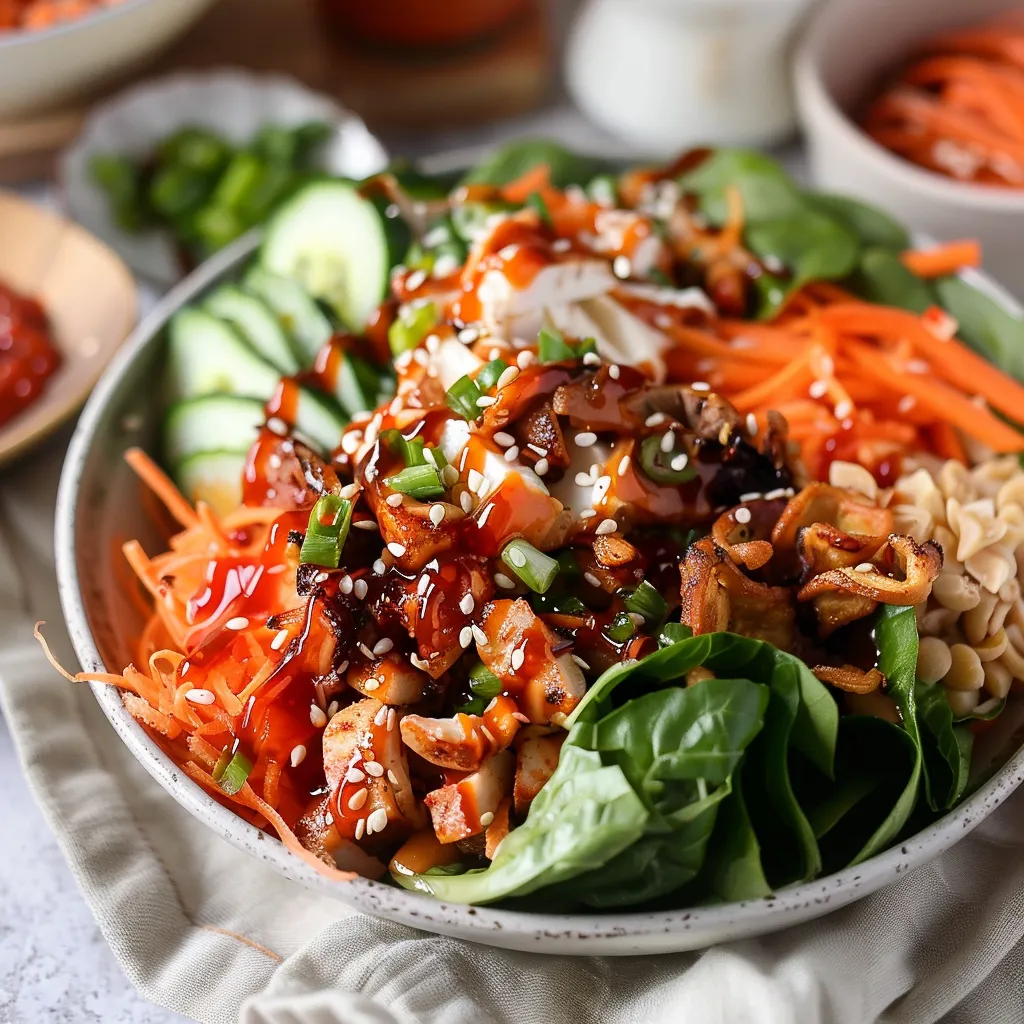
Ah, the flavors! Imagine diving into a bowl where every bite is a new adventure. The warm, nutty rice serves as a bed, while crispy veggies add a satisfying crunch. The mushrooms deliver an earthy undertone, and when you slather it all with that spicy-sweet gochujang sauce, it’s like a flavor explosion in your mouth. It’s balanced yet complex—each element brings something unique. Honestly, it’s like that perfect hug after a long day, wrapping you in warmth and comfort.
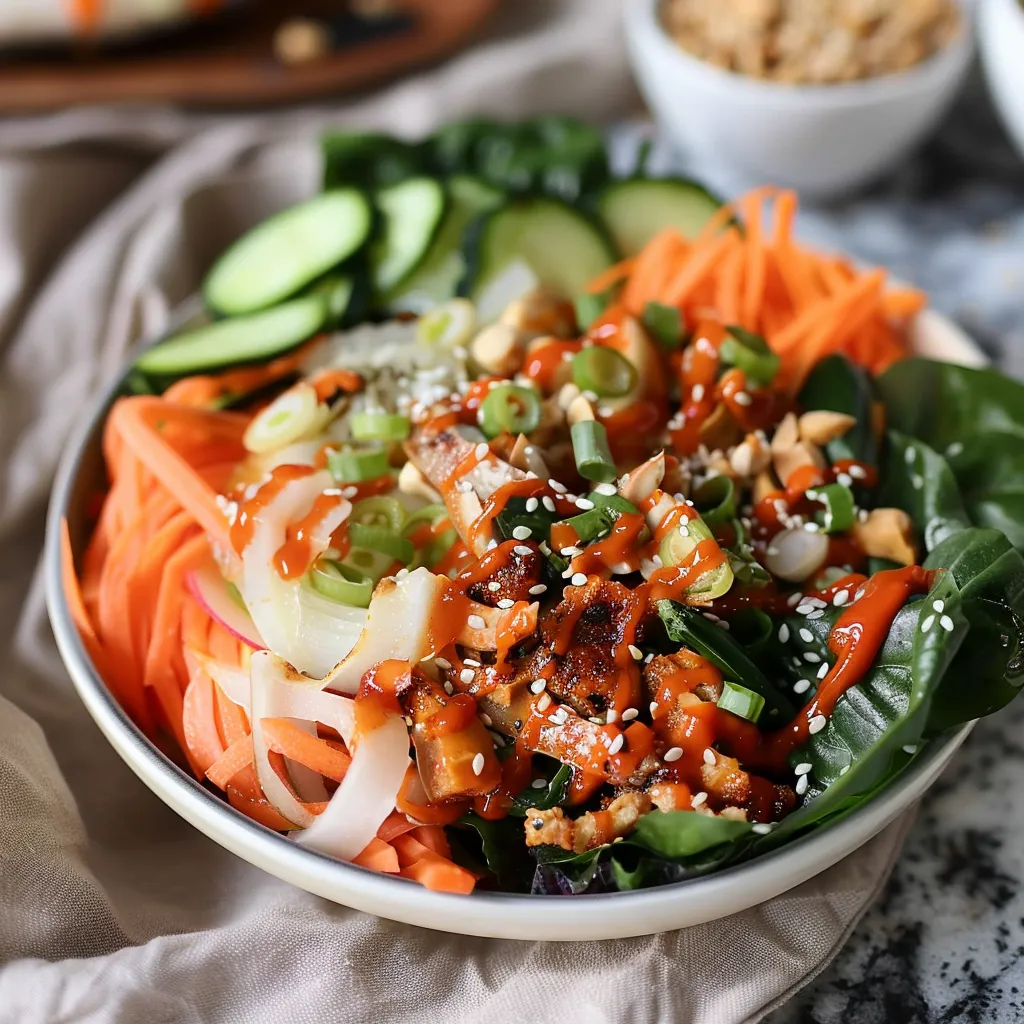
Ingredients You’ll Need
- 1 cup cooked brown rice: It’s hearty and provides a nutty base for the bowl.
- 1 cup baby spinach: Adds a fresh and vibrant green that lightens up the dish.
- 1 carrot, julienned: Gives a nice crunch and a hint of sweetness.
- 1 small zucchini, sliced: Offers a subtle flavor and a lovely texture.
- 1 cup shiitake mushrooms, sliced: Brings a deep, umami flavor that elevates the bowl.
- 2 tablespoons sesame oil: This adds a nutty richness that binds everything together beautifully.
- 3 tablespoons gochujang: The star of the show—a spicy, fermented red pepper paste that adds depth and heat.
- 1 tablespoon soy sauce: To season the vegetables perfectly.
- Sesame seeds: For garnish; adds a lovely crunch and aesthetic appeal.
Optional Additions: Feeling adventurous? Try adding sliced radishes, crispy tofu, or even avocado for a creamy twist!
Special Garnishes: A sprinkle of green onions or some toasted seaweed strips can elevate the presentation and flavor.
Step-by-Step Instructions
Ready to dive in? Let’s get cooking—this is going to be fun!
- Start by cooking your brown rice according to package instructions. This will be your base, so give it enough time to become fluffy and warm. (Tip: Cook extra rice and use it for meal prep!)
- While the rice is cooking, prep your veggies. Slice the zucchini and julienne the carrot. Wash and roughly chop the spinach.’
- Heat 1 tablespoon of sesame oil over medium heat in a large pan. Add the shiitake mushrooms and sauté for about 5-7 minutes until nicely browned.
- Add in the zucchini, carrots, and spinach to the pan with the mushrooms. Pour in the soy sauce and stir-fry for a few more minutes until the veggies are tender but still vibrant.
- Once everything is cooked, it’s time to assemble! In a large bowl or plate, create a bed of your warm brown rice. Arrange the sautéed veggies on top, and dollop with gochujang sauce.
- Finish it off with a sprinkle of sesame seeds and any other garnishes you like!
That’s it—pretty easy, right? You’ve just created a vibrant, healthy meal that looks as good as it tastes.
Recipe Variations
This recipe is incredibly flexible! If you’re feeling creative, try swapping the brown rice for quinoa or cauli-rice for a lighter option. You could also experiment with different veggies based on what’s in season or even what you have in the fridge. Want more protein? Toss in some baked tempeh or chickpeas. And for those who love to get creative, consider adding a soft-boiled egg for a non-vegan twist. The possibilities are endless!
Serving & Storage Tips
When serving, make it feel special! Layer the rice and toppings artfully in individual bowls. Trust me, it makes a difference when you present it with love. To store leftovers, keep the rice and veggies separate for best results. Just pop everything into airtight containers—this will keep your veggies crunchy. To reheat, just microwave or stir-fry on low heat to warm it through without getting soggy. You can also repurpose leftovers into a hearty stir-fry for an easy lunch!
Helpful Tips
One common mistake I made early on was not seasoning my veggies enough. Don’t skip that soy sauce step—it really ties the flavors together! Also, if you’re like me and can never get enough of that spicy kick, feel free to adjust the amount of gochujang based on your taste preferences. The first time I tried this, I overcooked the mushrooms. Learn from my mistake: aim for a tender but still bite-sized piece that holds onto that beautiful umami flavor.
Special Equipment
- Sharp knife: A good chef’s knife makes chopping veggies a breeze.
- Large skillet or wok: Perfect for stir-frying those veggies quickly and evenly.
- Bowl or plate: A wide, shallow dish works great for showcasing your bibimbap.
These simple tools will help streamline your cooking process and make preparation a joy rather than a chore.
FAQ Section
Can I make this bibimbap bowl ahead of time?
Absolutely! You can prep the rice and veggies in advance and store them separately in the fridge. Just assemble the bowl when you’re ready to eat!
What if I can’t find gochujang?
No worries! You can make a simple substitute using red chili paste mixed with a bit of miso for that umami kick, though the flavors won’t be the same. It’s worth seeking out if you can!
Is this dish gluten-free?
To make it gluten-free, just swap out the soy sauce for a gluten-free alternative like tamari, and you’ll be good to go!
Can I add protein to this recipe?
Definitely! Tofu, tempeh, or chickpeas all work beautifully and will keep the dish hearty and satisfying.
Conclusion
This Korean-inspired vegan bibimbap bowl is all about bringing warmth, flavor, and a hint of adventure into your kitchen. It’s quick to whip up, easily customizable, and so satisfying—it’s no wonder it has a special place in my heart. I absolutely invite you to give this recipe a try soon! And if you do, please share your experience in the comments. I can’t wait to hear how you made it your own.
Happy cooking, my friends! May this dish bring as much joy to your table as it does to mine.
Print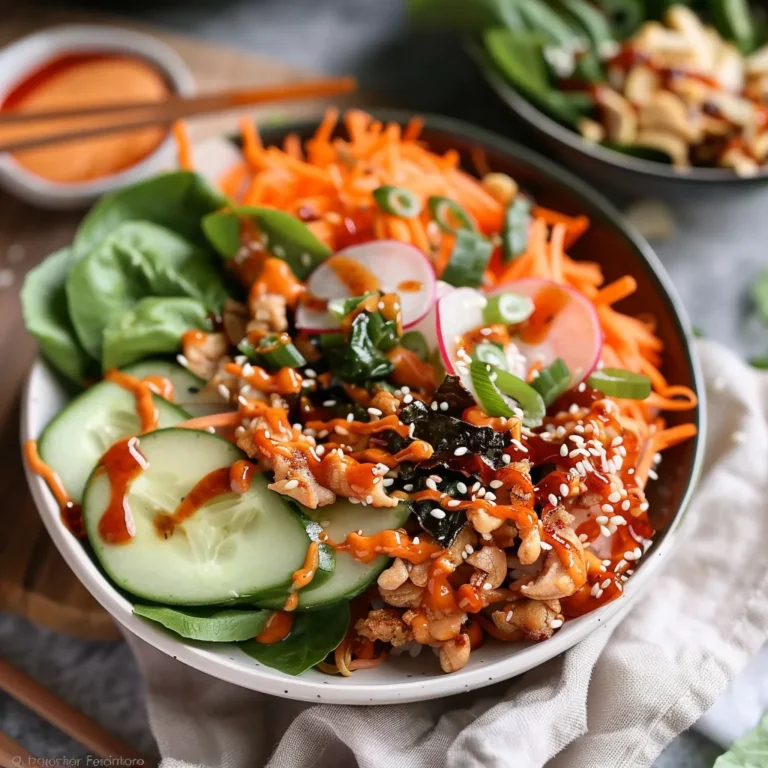
Delicious Korean-Inspired Vegan Bibimbap Bowl Recipe
Try this Korean-inspired vegan bibimbap bowl recipe for a flavorful nutritious meal thats easy to make and perfect for any occasion Enjoy
- Total Time: 35 minutes
- Yield: 2 servings 1x
Ingredients
- 1 cup cooked brown rice
- 1 cup baby spinach
- 1 carrot, julienned
- 1 small zucchini, sliced
- 1 cup shiitake mushrooms, sliced
- 2 tablespoons sesame oil
- 3 tablespoons gochujang
- 1 tablespoon soy sauce
- Sesame seeds for garnish
- Optional Additions: sliced radishes, crispy tofu, or avocado
Instructions
- Start by cooking your brown rice according to package instructions.
- Prep your veggies: slice the zucchini, julienne the carrot, and chop the spinach.
- Heat 1 tablespoon of sesame oil in a large pan over medium heat. Add the shiitake mushrooms and sauté for 5-7 minutes.
- Add the zucchini, carrots, and spinach to the pan with the mushrooms. Pour in the soy sauce and stir-fry for a few minutes until veggies are tender.
- Assemble your bowl with a bed of warm brown rice, topped with sautéed veggies and a dollop of gochujang sauce.
- Finish off with a sprinkle of sesame seeds and any other garnishes you like.
- Prep Time: 15 minutes
- Cook Time: 20 minutes
- Category: Main Course
- Method: Stovetop
- Cuisine: Korean
- Diet: Vegan
Nutrition
- Serving Size: 2 servings
- Calories: 350 calories
- Sugar: 5 grams
- Fat: 15 grams
- Saturated Fat: 15 grams
- Carbohydrates: 45 grams
- Fiber: 8 grams
- Protein: 10 grams
Keywords: vegan bibimbap, Korean recipe, healthy dinner, colorful bowl, meal prep